
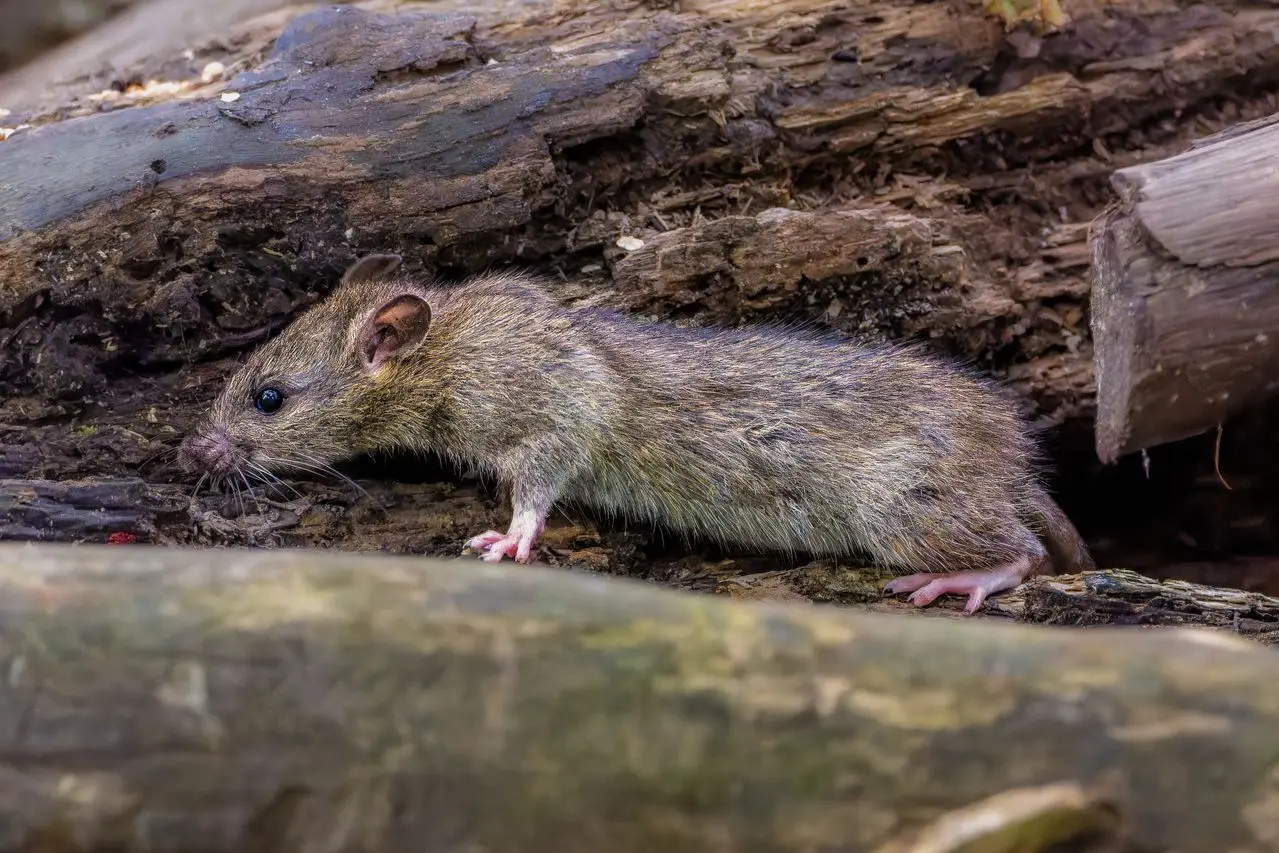
Rats are a common pest found in the UK, but many people can’t identify the different rat species, and often confuse rats other rodents such as mice or voles.
As highly-experienced providers of rat control for homes and businesses across Doncaster, Pontefract, Wakefield, Rotherham, Retford, Worksop, Don Valley Pest Management understands that many people wonder about the types of rats in the UK and how to identify them.
That’s why we’ve put together this guide to the wild rat species found in the UK and how to tell them apart from mice.
UK Rat Species
In the UK, there are 2 main species of wild rats: brown rats and black rats. These are wild rats, and different from the domesticated rats that are kept as pets. Pet rats are often known as fancy rats, and have brighter colours because they don’t live in the wild and don’t need to camouflage themselves from predators. These are the two rat species found in the wild in the UK.
Brown Rats
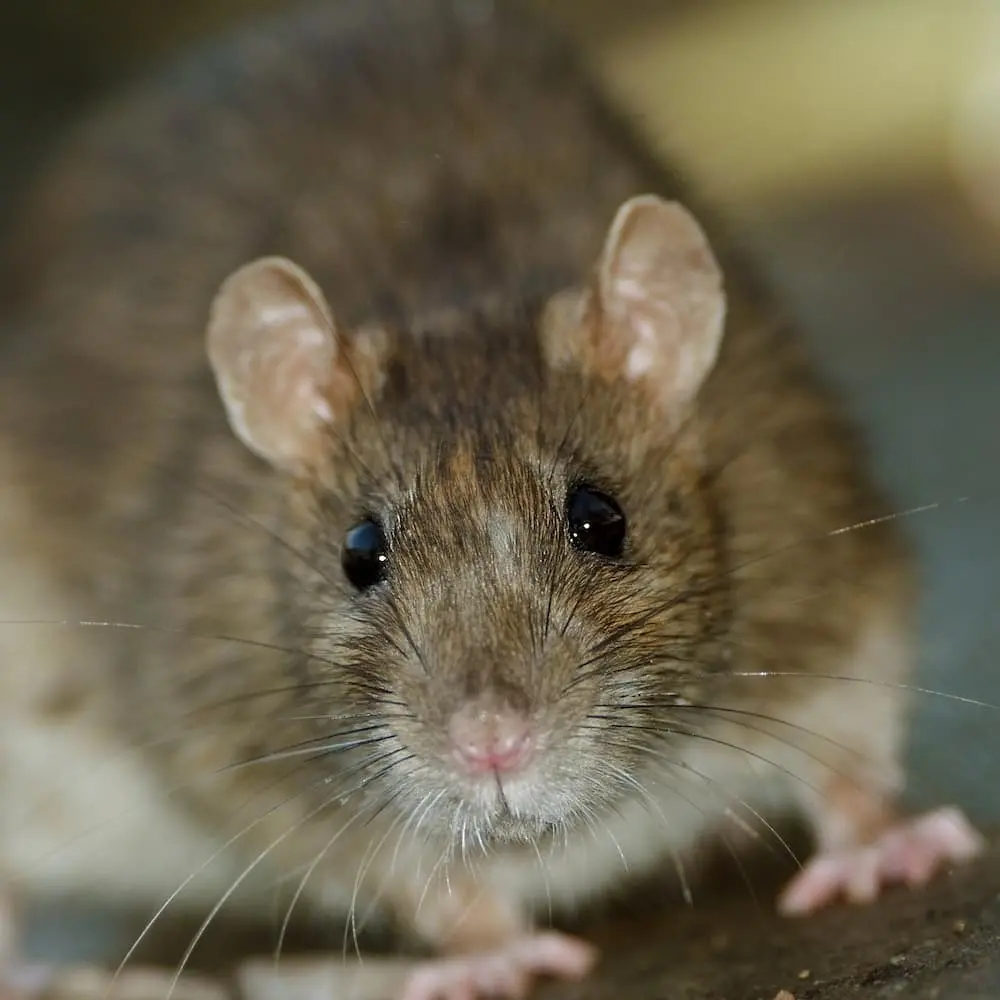
The brown rat (Rattus norvegicus),also known as the common rat, street rat, sewer rat, wharf rat, Hanover rat, or Norway rat, is the largest and most common rat species found in the UK.
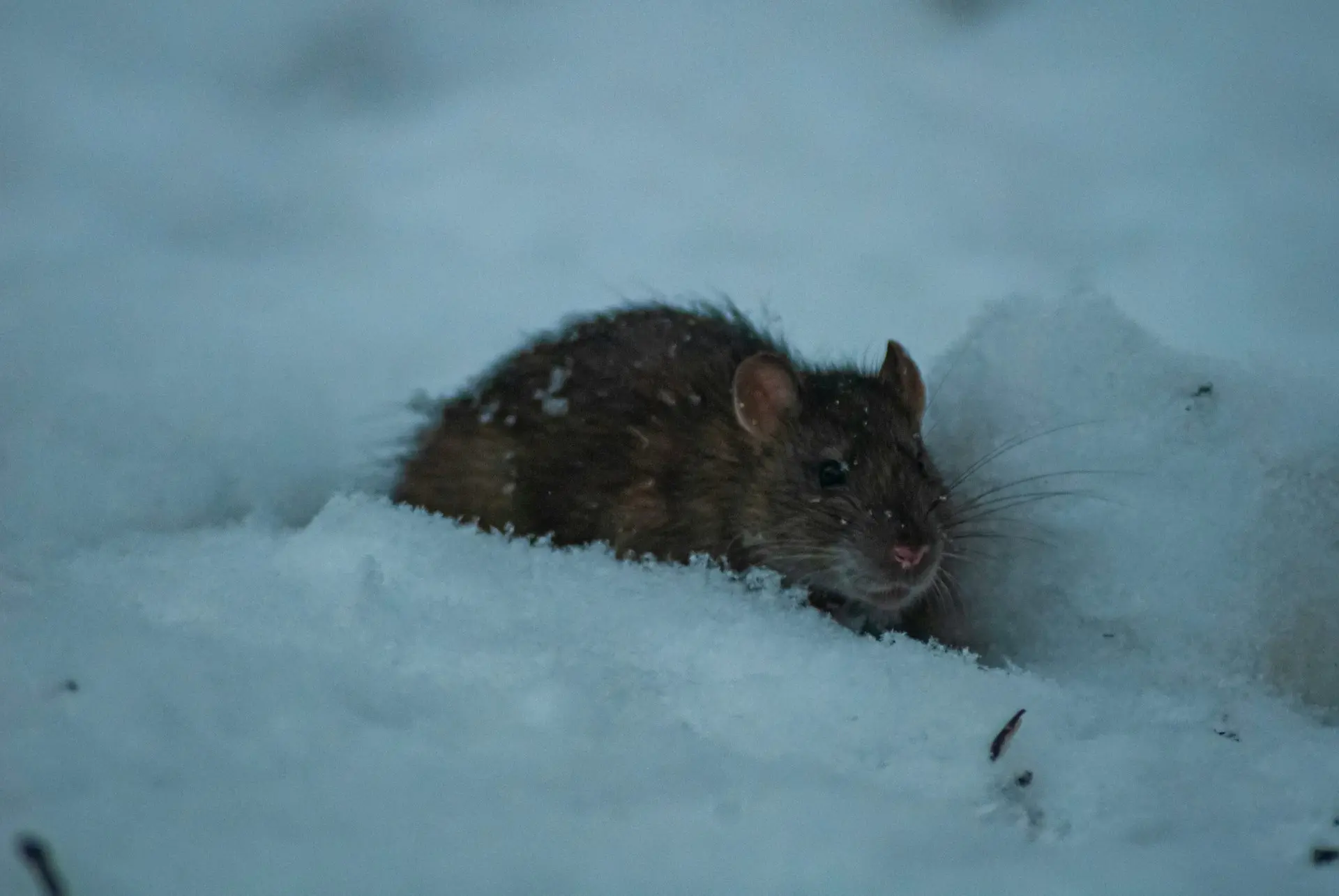
As the name suggests, brown rats are light brown to grey in colour, with fuzzy fur and a white belly. Brown rats grow to between 15 to 28 cm in length and are highly adaptable, living in almost any conditions, including inside homes and commercial premises.
Black Rats
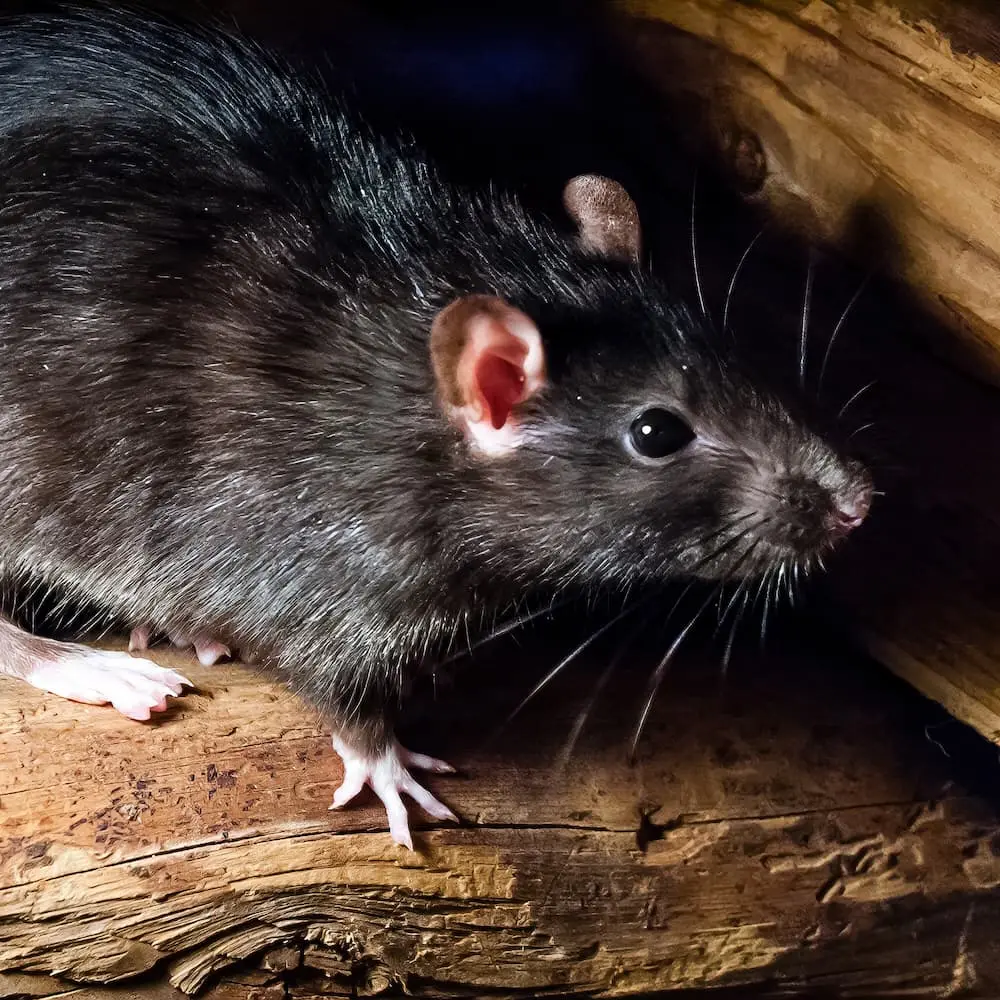
The rarer of the two rat species found in the UK is the black rat (Rattus rattus), sometimes known as the roof rat or ship rat. Black rats are slimmer and sleeker than their brown counterparts, growing to 13 to 24 cm in length.
They have sleek fur, which can range in colour from fully black to dark grey. Black rats are known for their agility and preference for living near water, which is why they’re often found near rivers or waterways.
The Difference Between Rats And Mice
Rats and mice are often confused, particularly young rats, which can look similar to mice due to their smaller size. Some of the main differences between rats and mice are:
- Size: Adult mice are much smaller and slimmer than adult rats, growing to just 3 to 10 cm compared to rats at 16 to 40 cm, but juvenile rats can be smaller.
- Face Shape: Mice have thin, pointed noses and faces, whereas rats have shorter snouts and a thicker, larger facial structure.
- Ears: Rats have small ears compared to their large heads, while mice have large ears that are floppier and look out of proportion compared to their thin faces.
- Tails: While rats have thick, stubby tails that look like they’re covered in scales, mice have long, thin tapered tails that are covered in thin hairs.
- Feet: Both rats and mice have four toes on the front feet and five on the rear feet, but rats have much larger feet, whereas mice have small feet that are in proportion with the size of their bodies.
Signs Of Rat Activity
As rats are very nervous and also neophobic, meaning they are frightened of new objects, it is possible not to physically see a rat, even if you have a rat infestation. Rats are highly flexible, and can hide inside wall cavities or attic spaces.
Some other signs of a rat problem include:
- Scurrying Or Scratching Sounds: Rats have sharp claws and will often make scratching noises as they move around your home, particularly at night. You may also hear thumping sounds as they jump around or mate.
- Rat Droppings: Rat droppings are between half and 1 full inch in length, with tapered ends. They are dark brown to black in colour and are often found in clusters.
- Chew Marks: Rats have teeth that grow almost constantly, so they gnaw on hard materials, such as wood, metal and plastic. Look for tooth marks on wooden beams, walls, skirting boards, door frames and furniture.
- Greasy Smudges: Rats have oily fur, and when they brush against walls, skirting boards or door frames they can leave behind grease marks.
- A Strong Ammonia Smell: Large infestations can cause a musty, ammonia smell from the droppings and urine left throughout your property.
What To Do If You Have A Rodent Infestation
Whether you’re dealing with rats, mice or even squirrels in your attic space, you need to be proactive if you see signs of rodent activity.
Rats can be highly destructive, gnawing on beams, walls, floors, door frames and other areas of your property, causing structural damage. If rats bite through a live wire they could even pose a fire hazard.
Additionally, wild rats carry diseases, including Hantavirus, Salmonellosis and Leptospirosis, which can become Weil’s disease. They can also spread parasites, such as fleas and ticks. Since rats don’t hibernate in winter, they can cause issues all year round.
To reduce the damage caused by a rat infestation, you need to book fast pest control to treat the problem at the source.
Don Valley Pest Management can carry out rat treatment and proofing to prevent future infestations at your Doncaster home or business premises.
Whatever rat species you’re facing, we can help, so contact us on 07798 792774 to book your rat control appointment.