

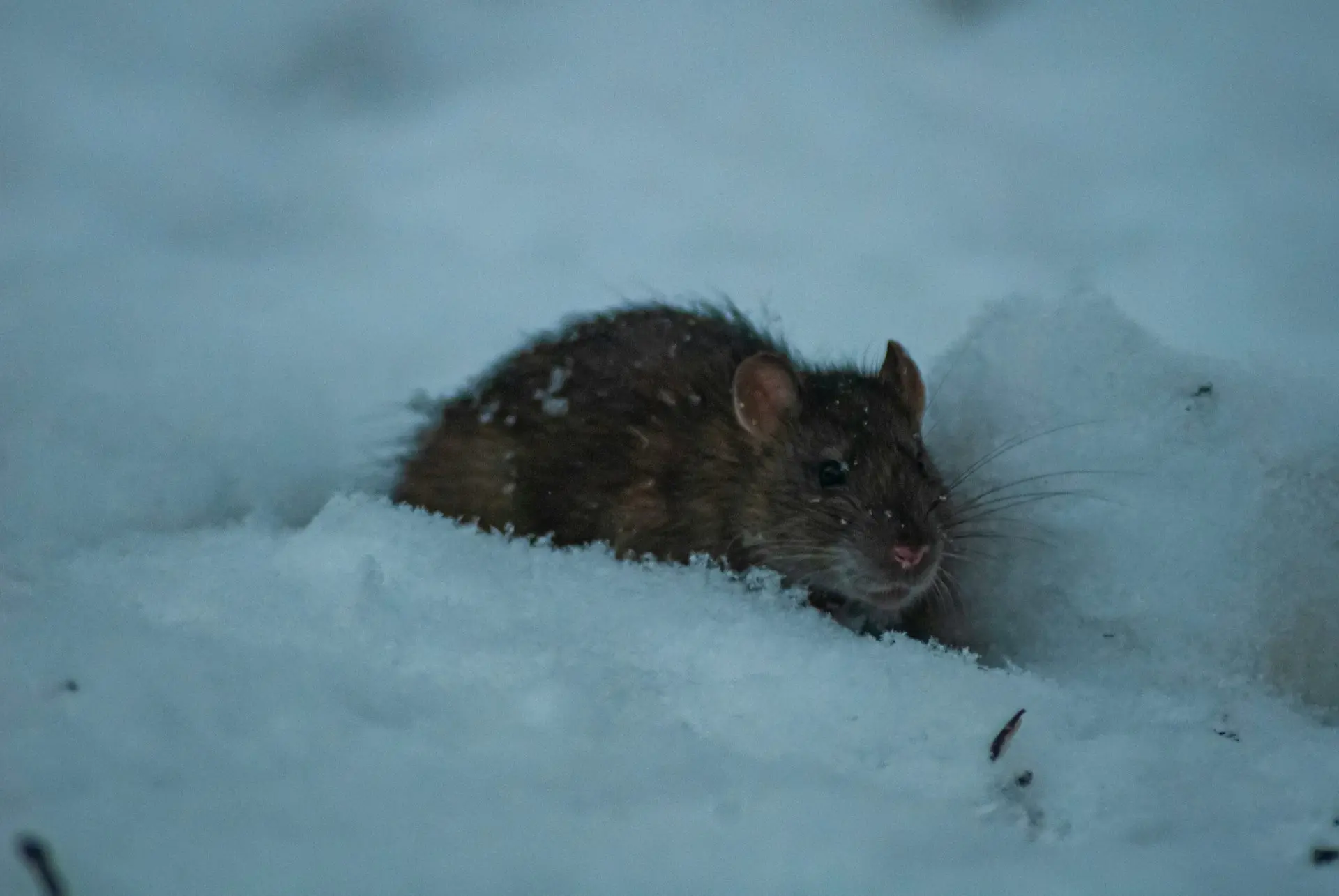
Rats are common household pests, and as leading providers of rat control across Doncaster, Pontefract, Wakefield, Rotherham, Retford, Worksop and South Yorkshire, Don Valley Pest Management gets asked a lot of questions about rats.
The most common one is: do rats hibernate? And if not, what do they do in the winter?
The short answer is no, rats don’t hibernate in the UK, and nor do other rodent species, such as mice and squirrels. True hibernation is a biological state that squirrels, mice and rats in the UK aren’t able to achieve.
Keep reading to find out more about what rats do in the winter, why they can make a home in your property seeking shelter, and what to do if you suspect you have a rodent infestation.
How Do Rats Survive Winter?
Rats stay active all year round, but in the colder months they will look for shelter. Rats survive during the winter months by finding shelter and will also huddle together for warmth.
Since rats can breed throughout the year, they will often build nests during the winter once they’ve found shelter, and will only venture outside in search of food if needed.
Where Do Rats Go In Winter?
In winter, rats will look for somewhere to shelter and stay warm while they gather food, breed, and look after their young.
There are 2 main species of rats found in the UK, and each looks for slightly different hiding places during the winter months.
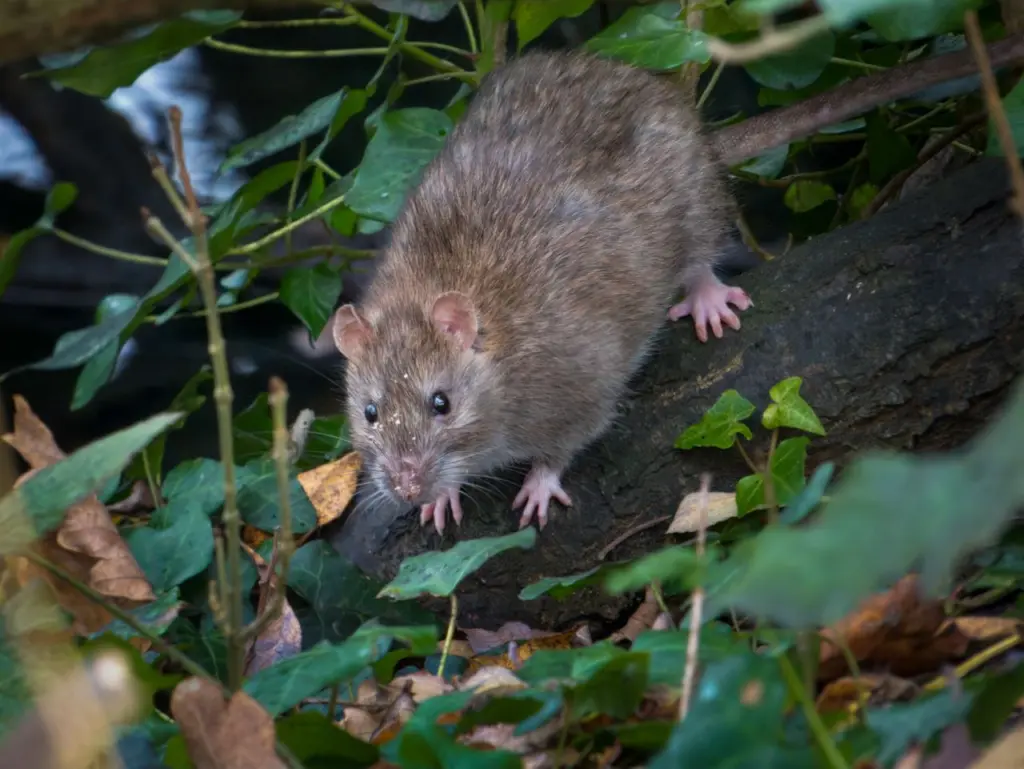
Brown rats, also known as Rattus norvegicus or Norway rats, will usually dig burrows underground, using structures such as sheds or decking for additional shelter from the elements. This species is likely to go indoors and look for shelter inside sheds, lofts, basements and other spaces.
Black rats, also known as Rattus rattus, roof rats or ship rats, are sleeker and darker in colour than brown rats, and like to live near water. In the winter, they will seek out shelter, usually in high places, such as roofs. Black rats are very shy and will usually look for shelter inside warehouses and other industrial spaces with limited human activity, but may move into human homes if necessary.
Signs Rats Are Sheltering In Your Home This Winter
During the winter, rats will mostly spend their time in their nests and venture out infrequently, so you may not actually see them. Still, some common signs of rat activity include:
- Thumping Or Scratching Sounds: Rats have sharp claws and will often make scratching noises as they move around your home, particularly at night. You may also hear thumping sounds as they jump around or mate.
- Rat Nests: Rats use shredded loft insulation, twigs, leaves and other soft items as nesting materials, so look out for piles of soft materials in lofts or sheds.
- Rat Burrows: In outdoor environments, such as gardens, rats will dig burrows, which look like small holes, usually near a structure such as a shed or decking. These burrows are a sign that rats are in your garden and could make their way into your home in the future.
- Rat Droppings: Rat droppings are between half and 1 full inch in length, with tapered ends. They are dark brown to black in colour and are often found in clusters.
- Chew Marks: Rats have teeth that grow almost constantly, so they gnaw on hard materials, such as wood, metal and plastic. Look for tooth marks on wooden beams, walls, skirting boards, door frames and furniture.
- Greasy Smudges: Rats have oily fur, and when they brush against walls, skirting boards or door frames, they can leave behind grease marks.
How To Prevent Rodents Gaining Access To Your Space
Before the cold weather sets in, there are several steps you can take to reduce the chances of rats gaining entry to your home, including:
- Remove Access To Potential Food Sources: Check food storage, rubbish bins, compost heaps, bird feeders and anywhere you store food, ensuring they are secure, in sealed container and can’t be accessed by rats or other pests.
- Block Potential Entry Points: Rats can get through gaps as small as 20 to 25 mm, which means even the tiniest of cracks and crevices could become a potential entry point. Make sure you seal all holes to reduce the chances of rats getting inside your home.
- Explore Rat Proofing: If you have gaps around pipework or plastic ventilation covers that could easily be chewed through by rats, then consider professional rodent proofing to stop rats from gaining entry.
- Rearrange Your Garden: All rat species are neophobic, meaning they are afraid of new objects, so something as simple as rearranging items in your garden could help to put them off if they are in the area, but it won’t get rid of an existing rat problem.
Do Rats Hibernate In Winter? Conclusion
As this guide highlights, rats do not hibernate during winter in the UK. Instead, they often move indoors in search of somewhere warm to nest.
This can cause issues for homeowners and business leaders, as rats can be highly destructive and spread diseases, posing a potential public health risk.
If you notice signs of rodent activity this winter and think it could be rats, then you need professional pest control from Don Valley Pest Management, one of the best pest control companies in Doncaster.
Our team can provide fast treatment for rats, mice and squirrels, as well as other pests, ensuring that vermin are fully eradicated.
By focusing on the root cause of the infestation and working to seal entry points and avoid attracting rats, we ensure that your property is protected from future infestations.
To deal with rats living in your attic, shed, wall cavities or other areas of your home or business premises this winter, contact us on 07798 792774.